




Get to Know These Black Trailblazers and Continue Celebrating Black History Month Beyond February
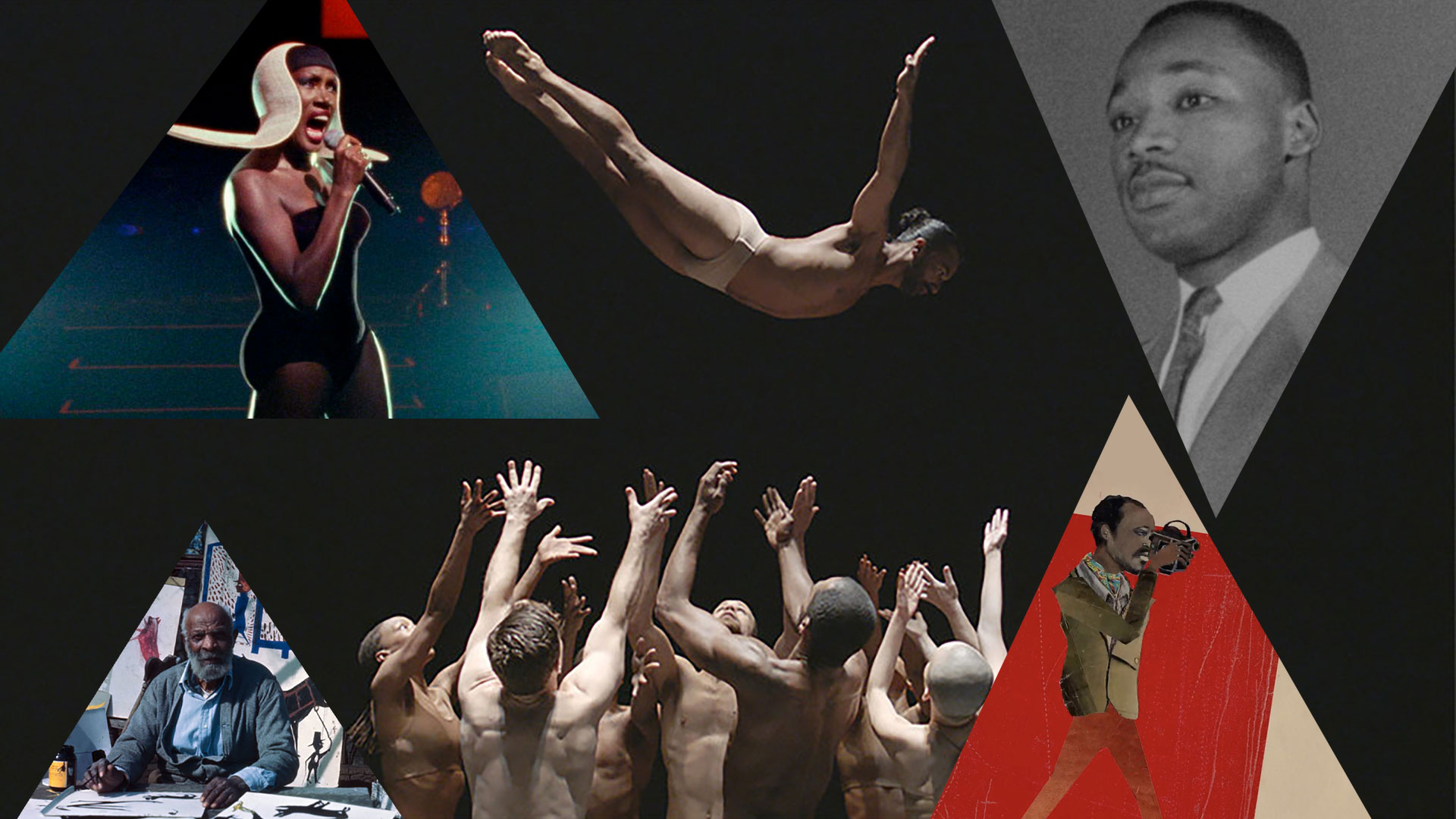
Black History Month might only be officially celebrated in February, but it should really be honored all year round because Black history is American history, and Black history goes far beyond US borders. After opening the month with our tribute to pioneering filmmaker Oscar Micheaux, we’re spotlighting other Black trailblazers you should know. From influential political leaders to visionary artists to the defining director of the L.A. Rebellion, here are 9 titles that celebrate Black excellence and the key figures who embody it past and present. Stream them all on Kino Film Collection and continue the celebration beyond this month.

Killer of Sheep (1977)
Charles Burnett’s masterpiece captures the trials, fragile joys, and tenacious humor of Black working-class life in 1970s Los Angeles. Centering on a weary slaughterhouse worker, the film blends lyrical beauty with a stark neorealist style, offering a rare and deeply nuanced portrait of everyday life in American cinema.

Name of the Game (2025)
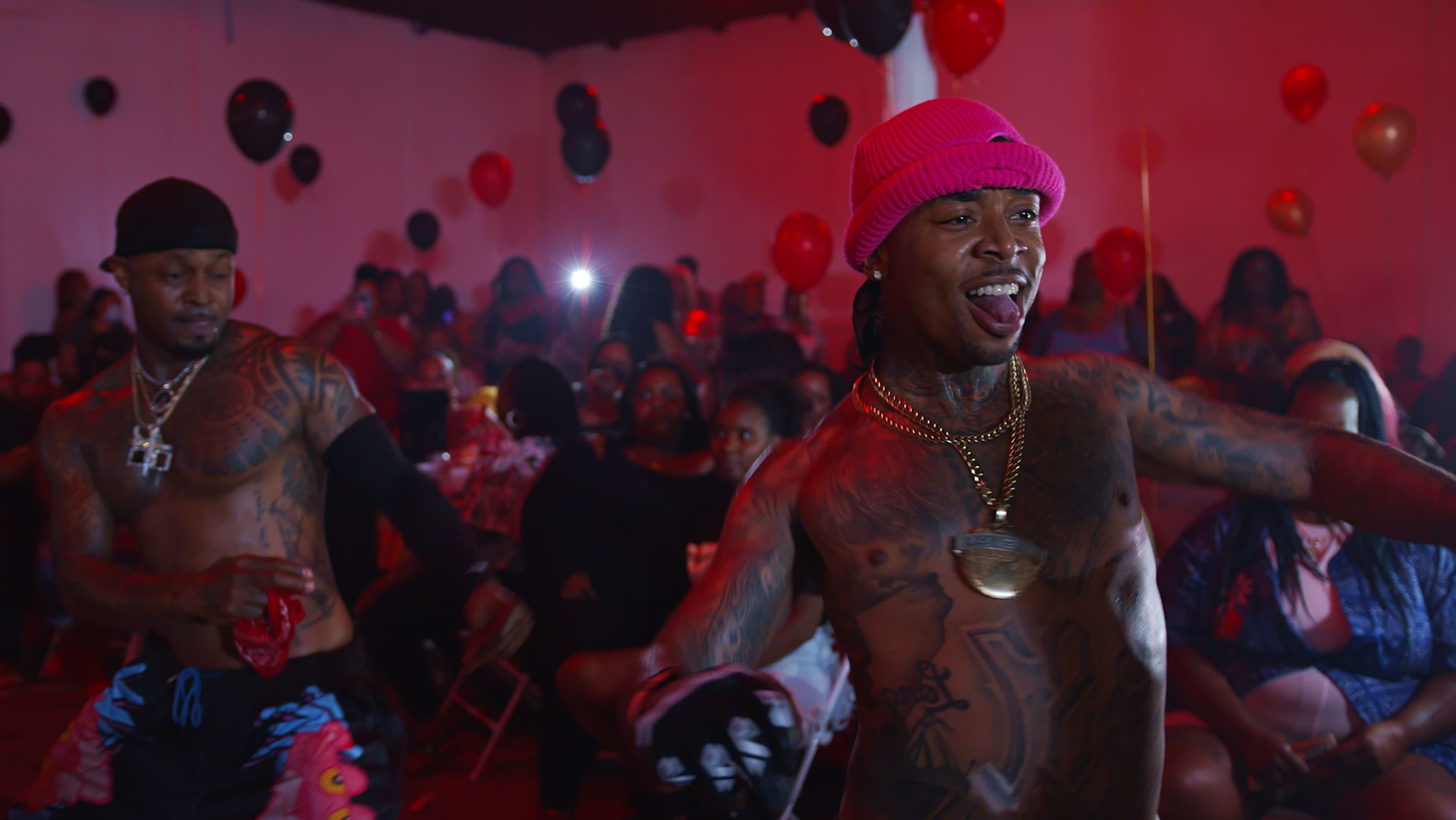
In the shadow of Chippendales, male exotic dancing in South Central Los Angeles thrived from the late 1980s until the early 2000s. “Name of the Game” introduces iconic dancers past and present and the women who support them, both as fans and managers. Through interviews and eye-popping performances, the fascinating history of Black male exotic is revealed: unfiltered, uncensored, and uncut.
Naked Acts (1996)
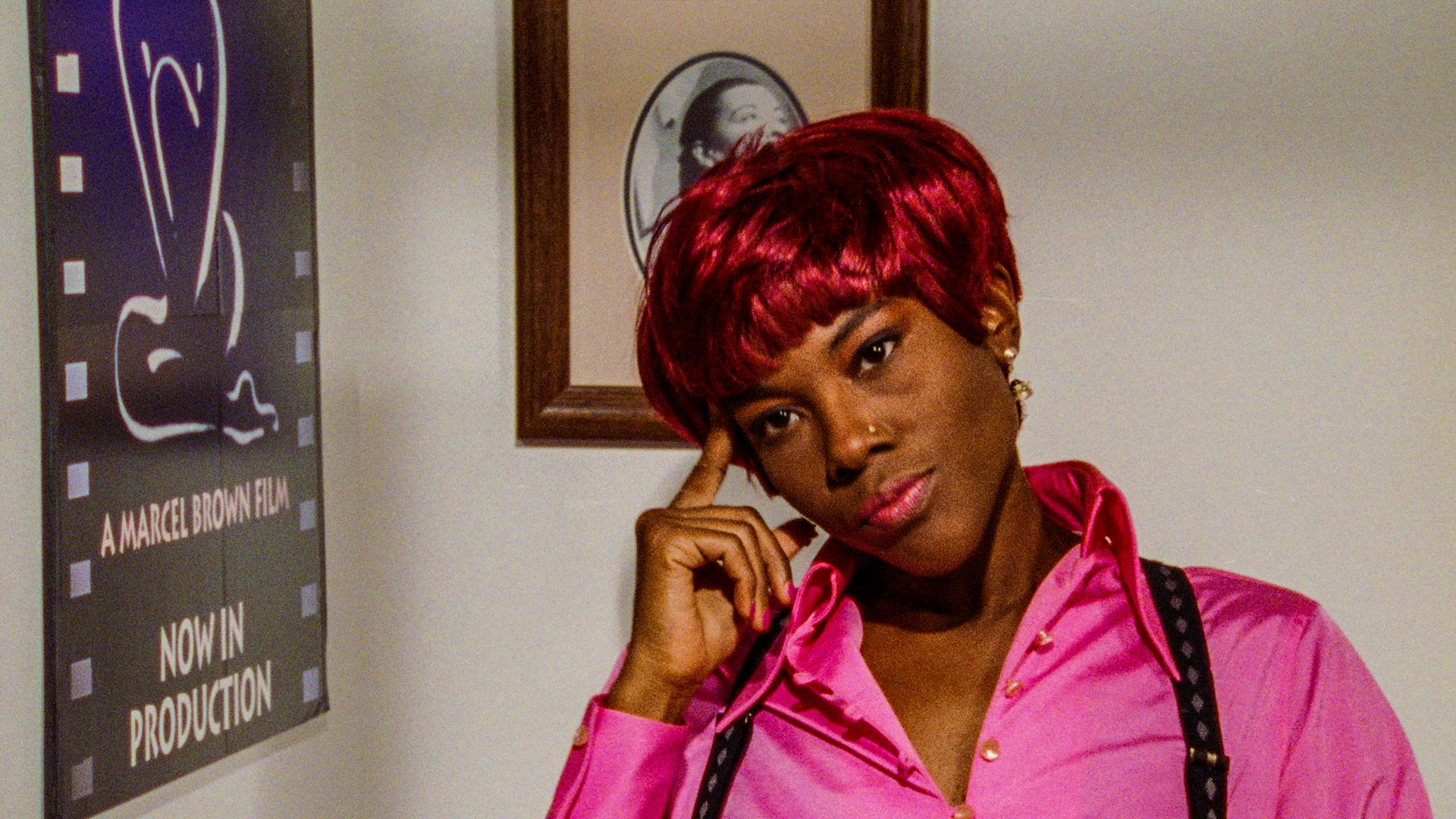
In this key '90s Black indie, aspiring actor Cicely (Jake-ann Jones) has just landed her first major role, but there's a big problem: it requires a nude scene. Her mother was a Blaxploitation star known for her sex appeal and Cicely harbors a strong aversion to disrobing in public. Now, with the support of her boyfriend Joel (Ron Cephas Jones), she attempts to get past her fear.

Ganja & Hess (1973)
Hailed as “a seminal take on Blaxploitation and horror” by The Chicago Reader, Ganja & Hess is a highly stylized and utterly original treatise on sex, religion, and African-American identity. The film follows anthropologist Hess Green (Duane Jones), who is stabbed by an ancient ceremonial dagger that turns him into an immortal vampire. When he meets Ganja (Marlene Clark), the two form an unexpected bond and together they explore just how much power blood holds. Last year, Ganja & Hess was selected as one of 25 films added to the Library of Congress’s prestigious National Film Registry for preservation. The film is arguably the most prominent film by Bill Gunn, a director known for defying convention for his portrayal of Blackness and queerness on film.
Bill Traylor: Chasing Ghosts (2018)
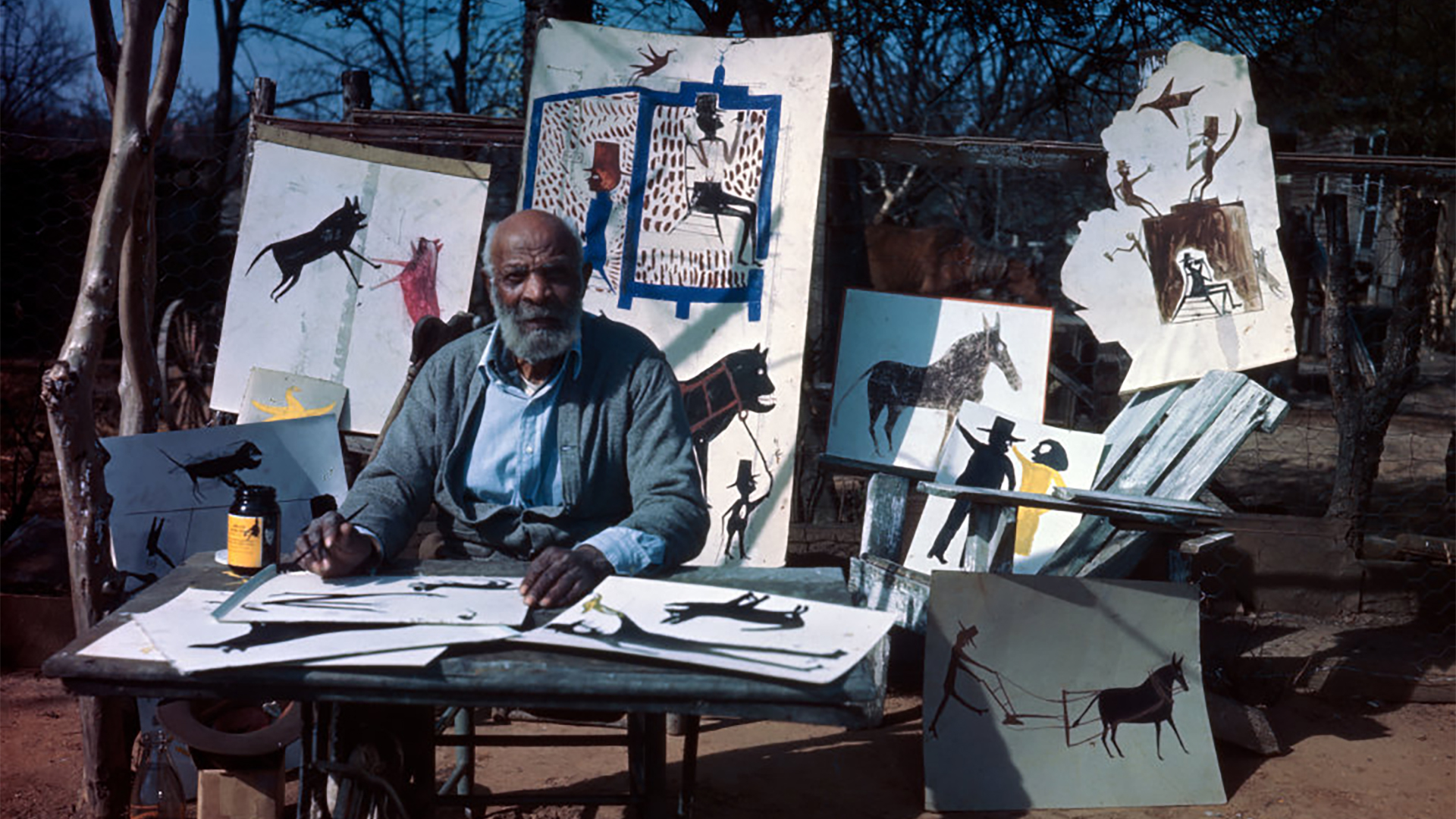
Bill Traylor: Chasing Ghosts examines the life of one of the most remarkable self-taught American folk artists in history. Born into slavery in 1853 on a cotton plantation in Alabama, Bill Traylor was just a boy when the Civil War ended. He would spend the vast majority of his life working as a farm laborer and it was not until he was in his late 80s, homeless and living on the streets of Montgomery, that he took up painting and drawing. Between 1939 and 1942, Traylor produced over 1,000 pieces of art depicting the African-American experience: his life on the plantation, rapidly changing urban landscapes, and other social and political change he witnessed over a lifetime spanning slavery, Reconstruction, Jim Crow segregation, and the Great Migration. The film weaves in tap dance, period music, dramatic readings, and interviews from Traylor’s family members to tell the story of “the greatest artist you’ve never heard of.”
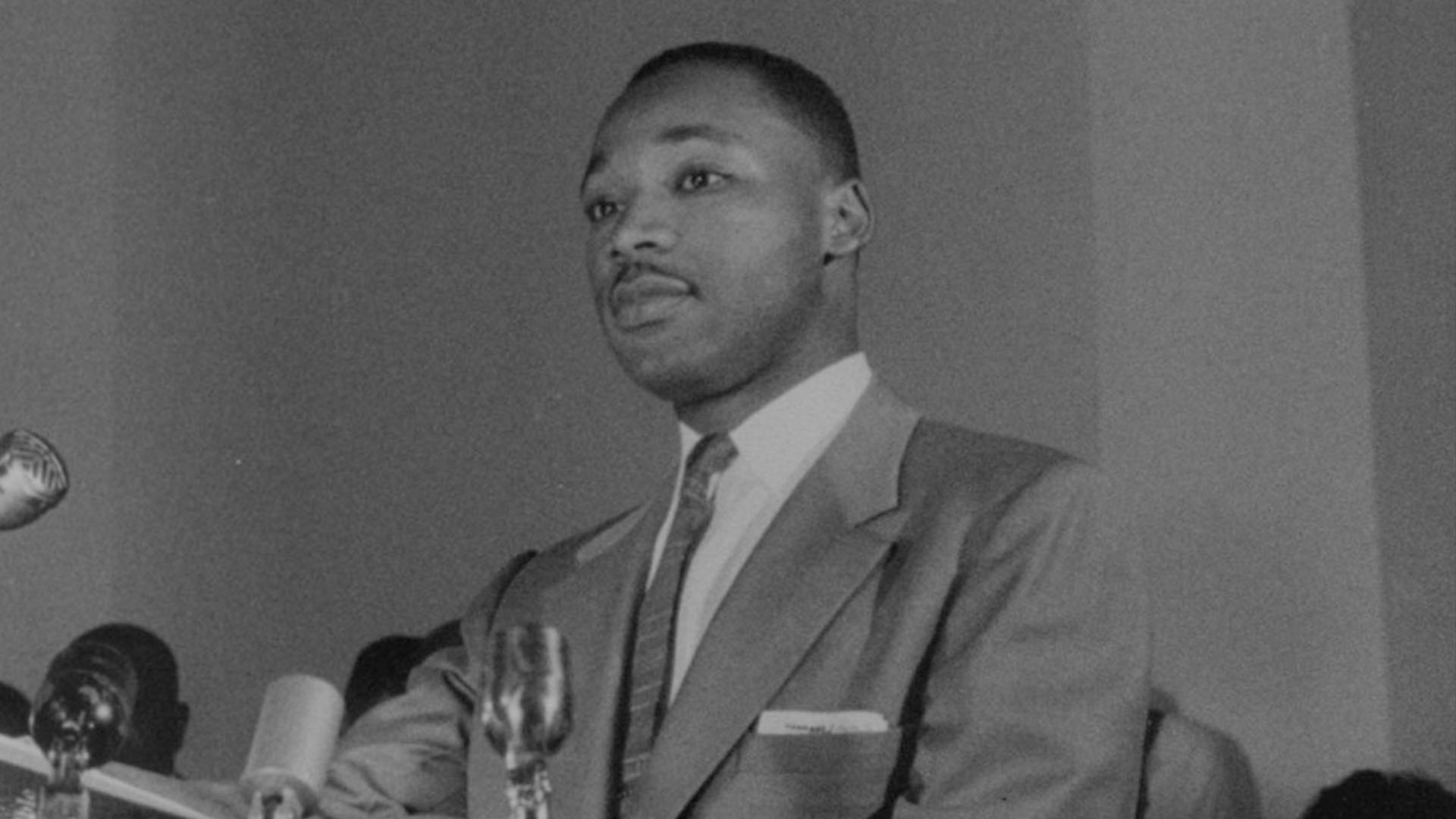
King: A Filmed Record…Montgomery to Memphis (1970)
Directed by Sidney Lumet and Joseph L. Mankiewicz, King: A Filmed Record…Montgomery to Memphis is a monumental documentary that follows Dr. Martin Luther King, Jr. from 1955 to 1968 as he rose from local activist to globally celebrated leader of the Civil Rights movement. The film pieces together a wealth of archival footage, including King’s speeches, protests, and arrests, as well as scenes of other key figures in the cause and testimonials from Hollywood stars including Harry Belafonte, James Earl Jones, and Paul Newman. A comprehensive account of Dr. King’s crusade, the film was added to the Library of Congress’s National Film Registry in 1999 as a cinematic national treasure to be preserved for its historical significance. In 1971, it was nominated for an Academy Award for Best Documentary Feature.
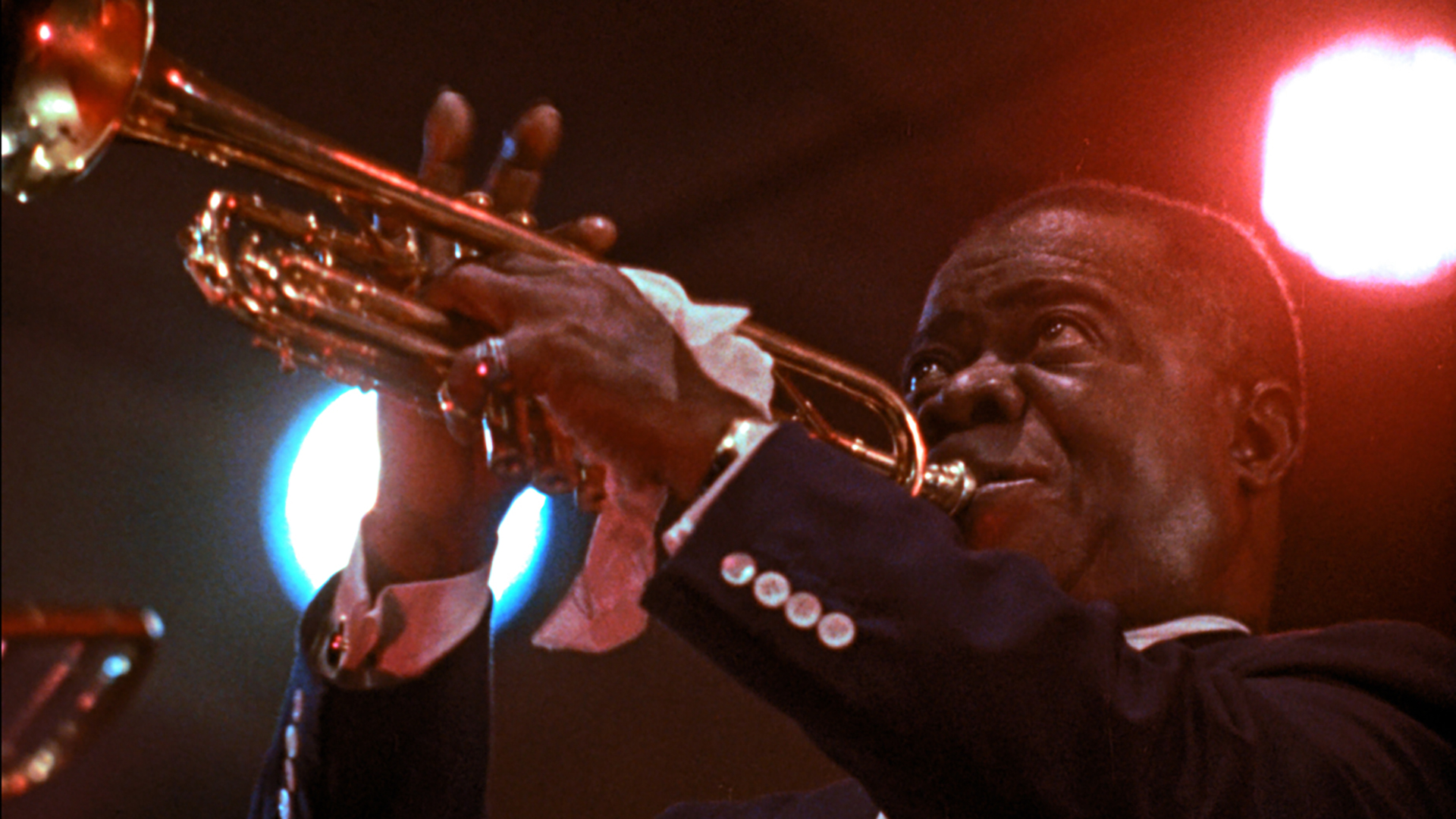
Jazz on a Summer’s Day (1959)
If you’ve ever wanted to see the greatest jazz legends of all time play on one stage, you’d either have to travel back in time or watch Bert Stern’s Jazz on a Summer’s Day. Filmed at the 1968 Newport Jazz Festival in Rhode Island, the documentary features performances by jazz giants Louis Armstrong, Thelonious Monk, and Dinah Washington, as well as rock and roll pioneer Chuck Berry and gospel queen Mahalia Jackson, who closed out the festival with a goosebump-inducing rendition of “The Lord’s Prayer.” In 1999, the film was added to the Library of Congress’s National Film Registry to be preserved for its historical significance.

When the Beat Drops (2018)
As voguing exploded out of the ballroom scene of NYC, a new form of dance was striking a pose in the Deep South: bucking. The feature debut by director Jamal Sims, famed choreographer and filmmaker who has worked with the likes of Madonna, Jennifer Lopez, and RuPaul, When the Beat Drops explores this electric and subversive underground dance scene and its captivating artistry and flair. The film follows the warm-hearted and fierce queer Black performers who make up one of the leading bucking groups in Atlanta as they train for their biggest competition yet. Some are corporate workers, some are teachers, and they all face the risk of losing their jobs and families just by competing in this dance scene. But as one of the dancers puts it, “When the beat drops, my mission is to take over the world.” If dance is a “super power,” as Sims calls it, then his film proves what that power can do to transform lives and elevate communities.
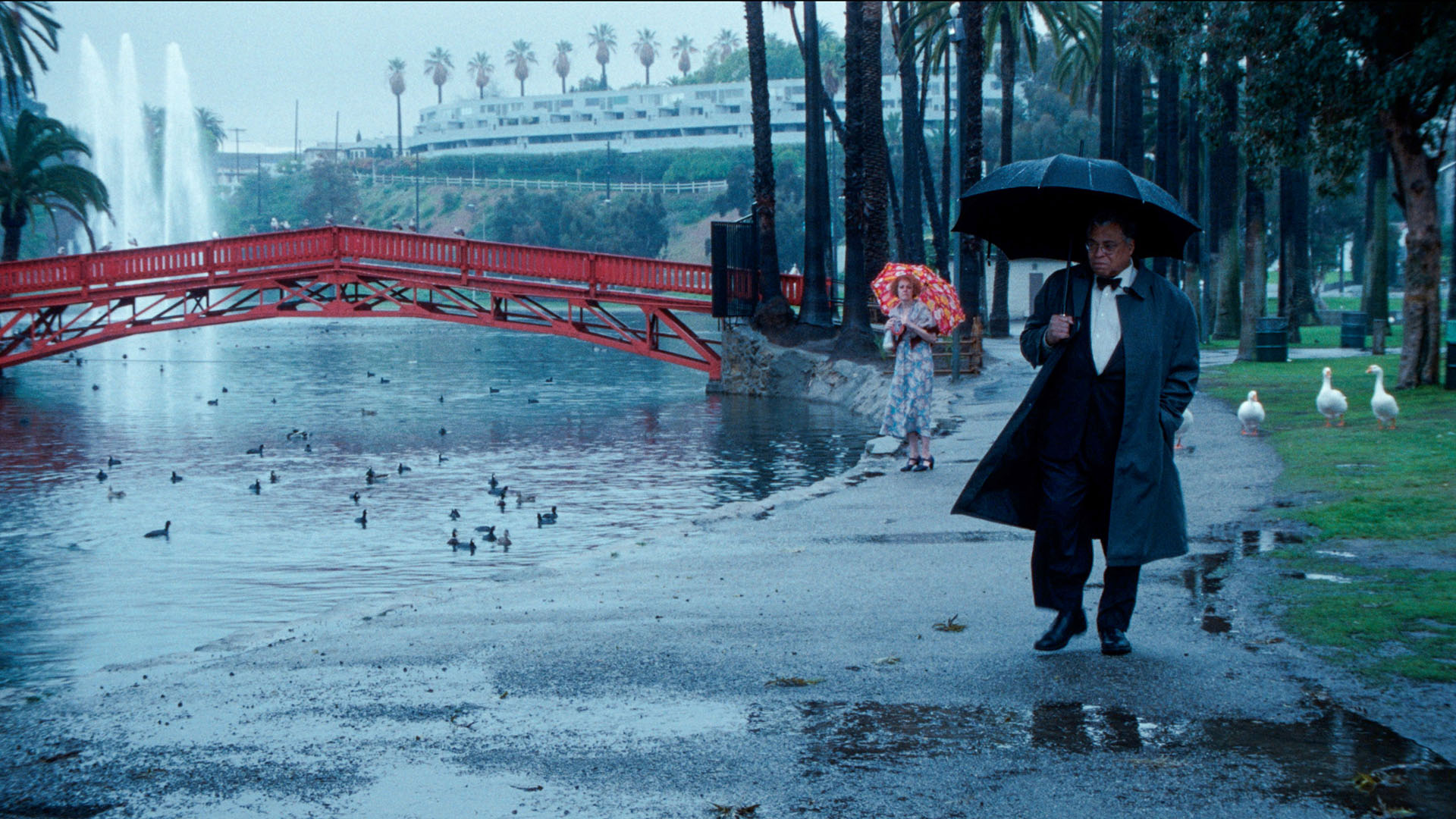
The Annihilation of Fish (1999)
In Charles Burnett’s charming film, Lynn Redgrave plays a former housewife with an imagined lover, opera composer Puccini. She moves into a L.A. boarding house where she meets a Jamaican widower, Fish (James Earl Jones), recently released from a mental institution despite his continued battles against unseen demons. In the face of personal challenges and differences, the couple grows together.